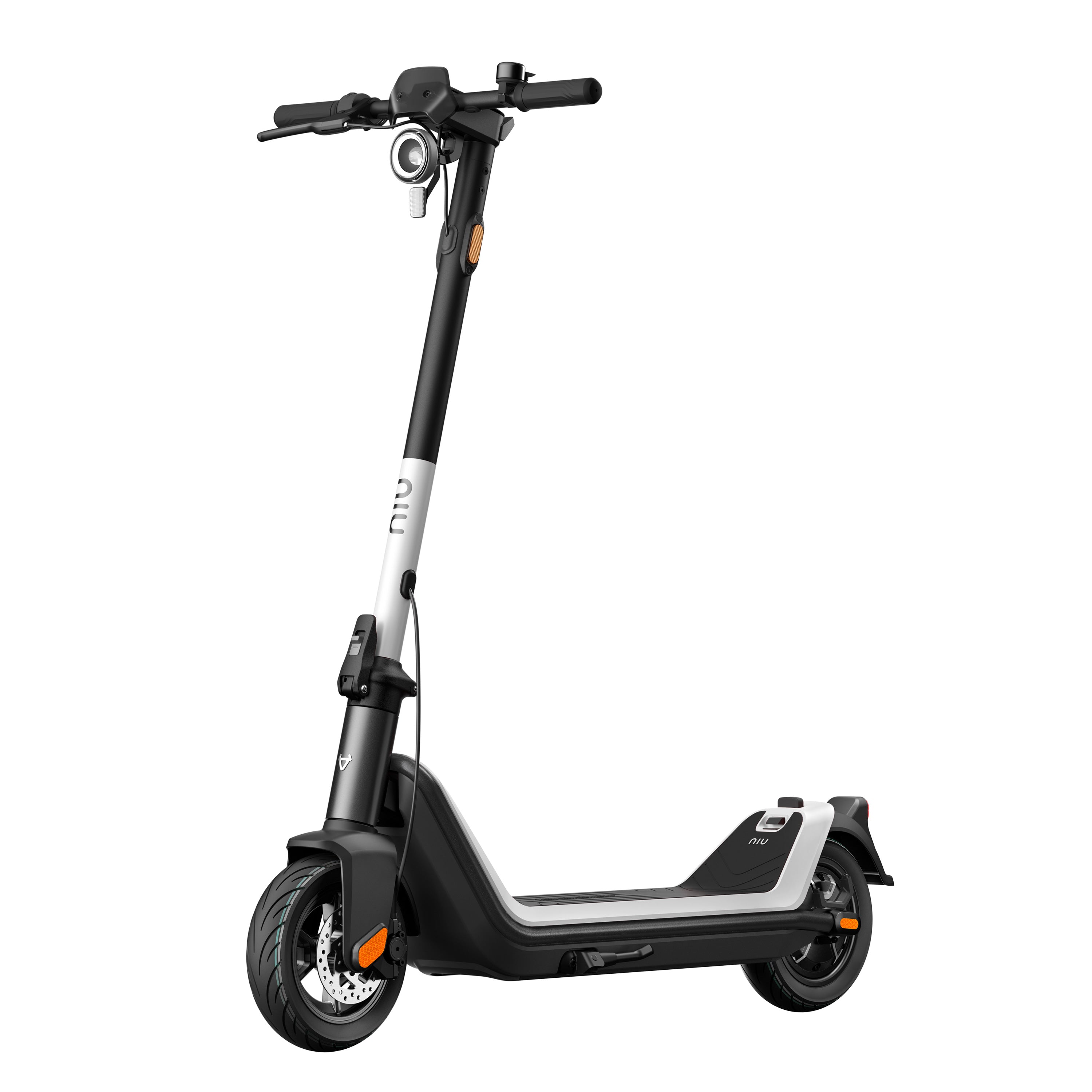
Under $500 you are buying a commuter, not a performance scooter, and the specifications that matter change accordingly. Expect a single motor between 250W and 500W, a top speed around 15-20 mph, and a claimed range of 15-40 miles which in practice means roughly 8-28 miles of real riding. The two specifications most often skipped at this price are the IP water-resistance rating and suspension, and their absence is what separates a scooter that survives a wet commute from one that does not. Weight matters more here than buyers expect: many sub-$500 models weigh over 40 lb, which is manageable to roll but awkward to carry up stairs. Every model below is ranked on the same computed score, and any specification the manufacturer does not publish is shown as unavailable rather than estimated.
Scores compare models within their own category. A budget scooter's 90 and a performance scooter's 90 are not directly comparable.
How to read this ranking
This page is ordered by our overall score. Every scooter is scored on estimated real-world range, power, build quality, portability and value, each measured against others in its own category — so nothing is penalised for being a different kind of machine than the one beside it. Either way the order is computed from published data, not opinion, and it does not change because a manufacturer bought advertising. One caveat worth stating plainly: our scores compare models within their own category. A budget scooter's 90 and a performance scooter's 90 are not directly comparable.
Before the ranking, one number deserves your attention more than any other. Every range figure a manufacturer publishes is measured under ideal conditions — a light rider, a low steady speed, flat ground, no wind. Real riding lands well below that, so every model on this page shows both the claim and our estimated real-world band of 55–70% of it. If you take one habit from this site, make it halving the range claim before you trust it.
Why the GOTRAX G3 MAX leads
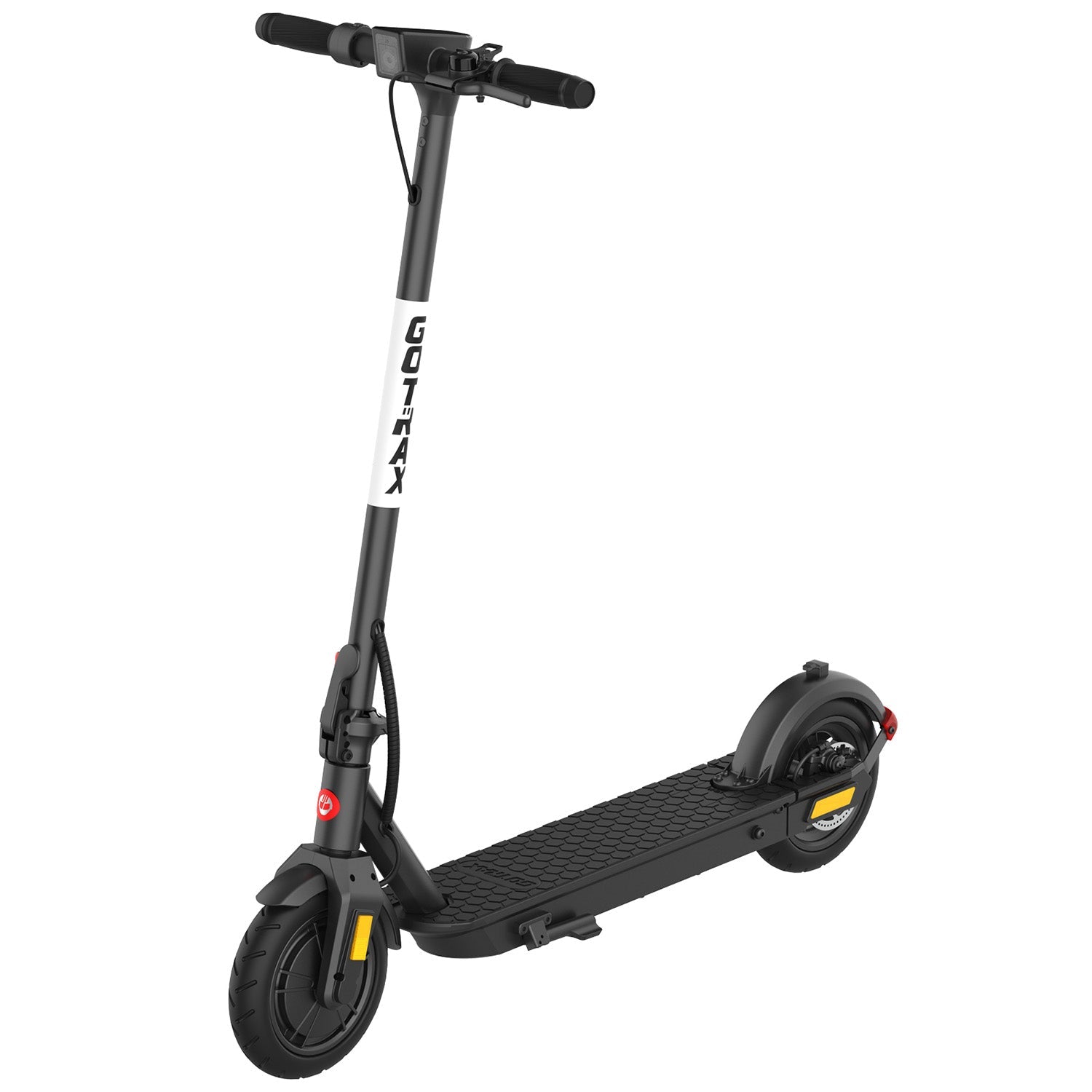
The GOTRAX G3 MAX leads this ranking with an overall score of 89/100 at $395. It stands out not by winning any single specification outright but by giving up the least across all of them — an estimated 20–26 miles of real range. That balance is exactly what a scoring system rewards and a spec-sheet headline hides.
Our pick
For most buyers on this page, start with the GOTRAX G3 MAX and only move on if a specific number below — carry weight, top speed, price — pulls you elsewhere.
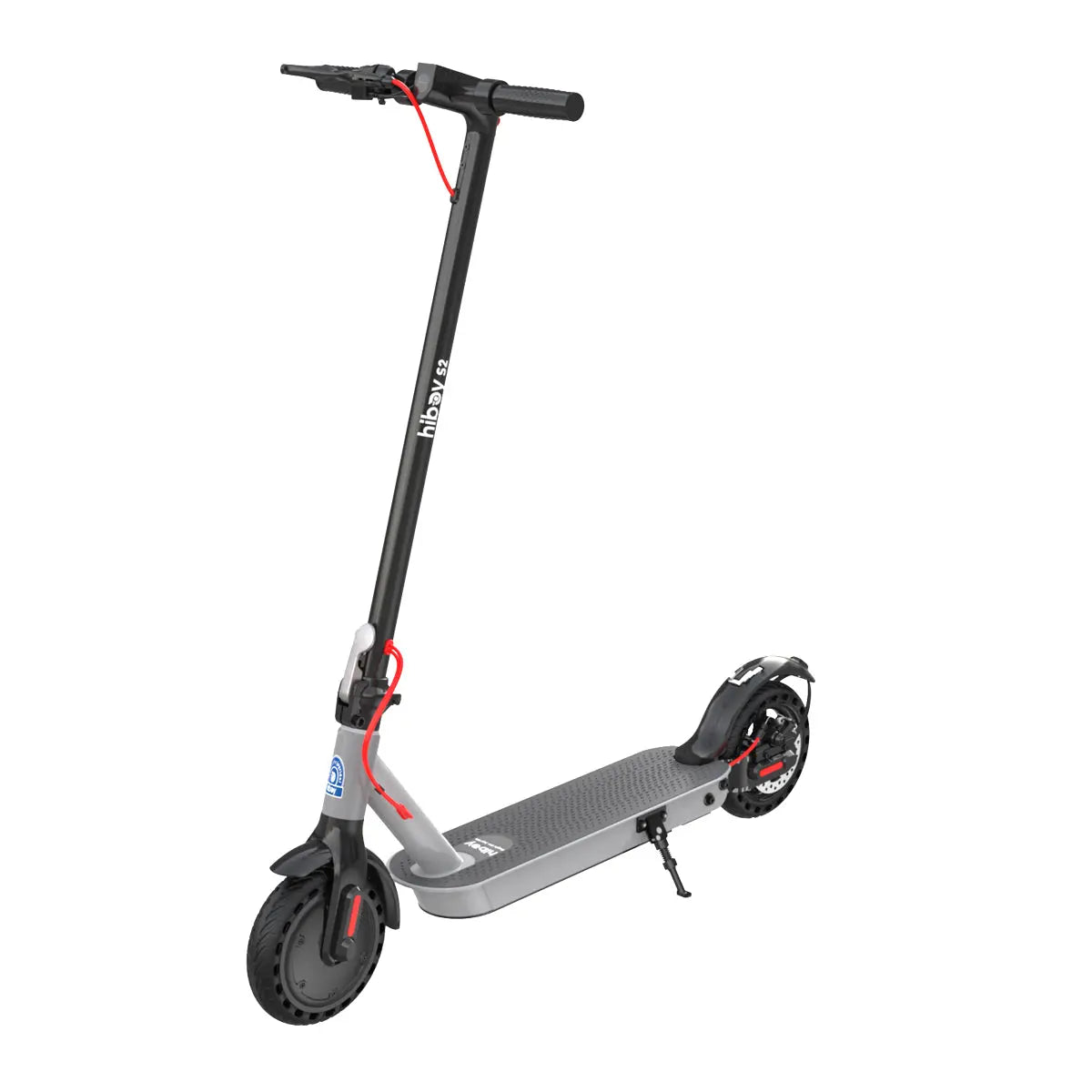
Hiboy S2 MAX pairs a claimed top speed of 19 mph, a claimed range of 40 miles, a 557 Wh battery. Best suited to commuters comparing specifications directly.
NIU KQi3 Max pairs a claimed top speed of 20 mph, a claimed range of 40 miles, a 608 Wh battery. Best suited to commuters comparing specifications directly.
NIU KQi 100F pairs a claimed 17.4 mph top speed, a claimed 18 miles of range, a 243 Wh battery. Best suited to riders who carry a scooter up stairs or onto transit, budget-conscious first-time buyers.
Hiboy S2 Nova pairs a claimed top speed of 19 mph, a claimed range of 20 miles, a 324 Wh battery. Best suited to budget-conscious first-time buyers, riders who carry a scooter up stairs or onto transit.
NIU KQi3 Pro pairs a claimed top speed of 19.9 mph, a claimed range of 31 miles, a 486 Wh battery. Best suited to commuters comparing specifications directly.
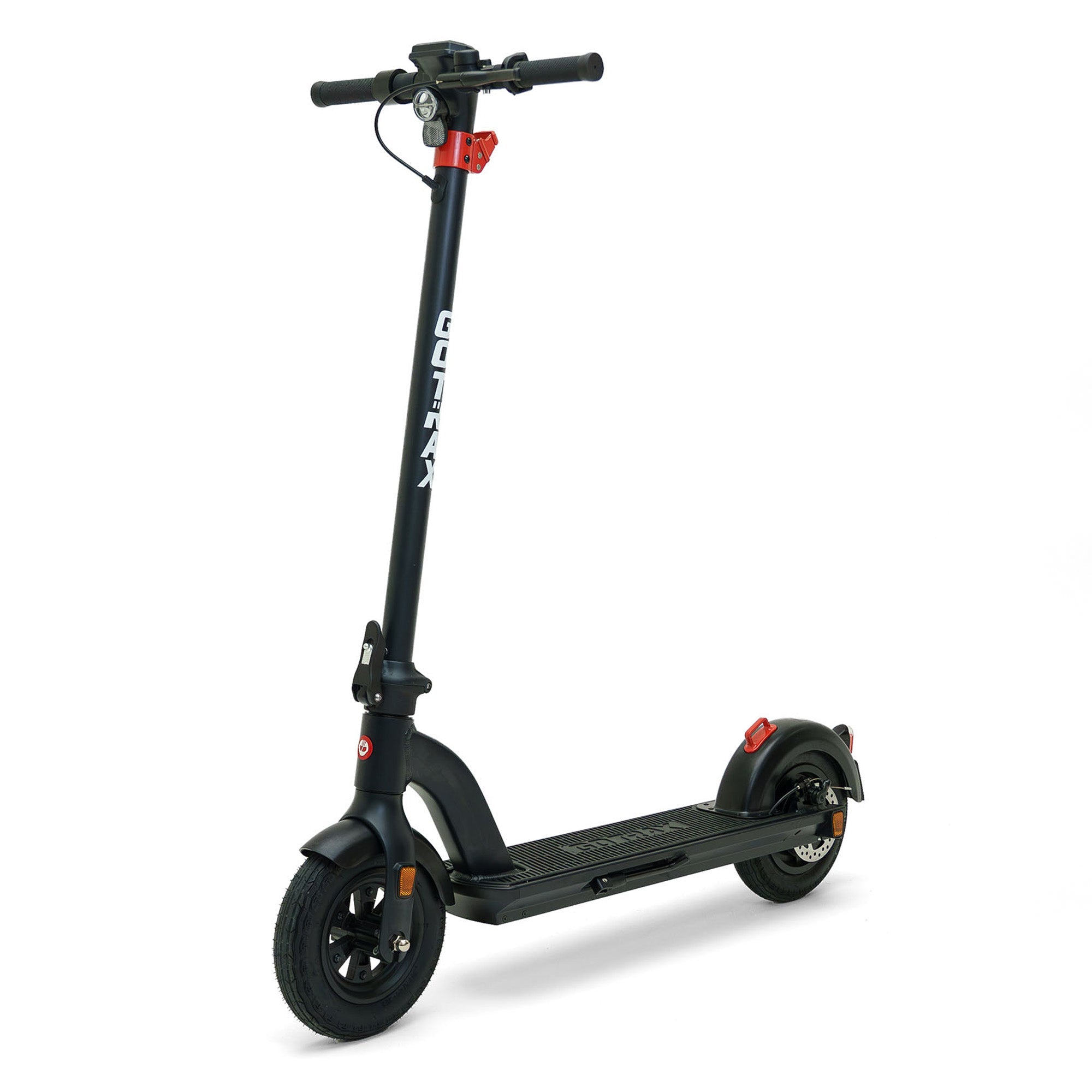
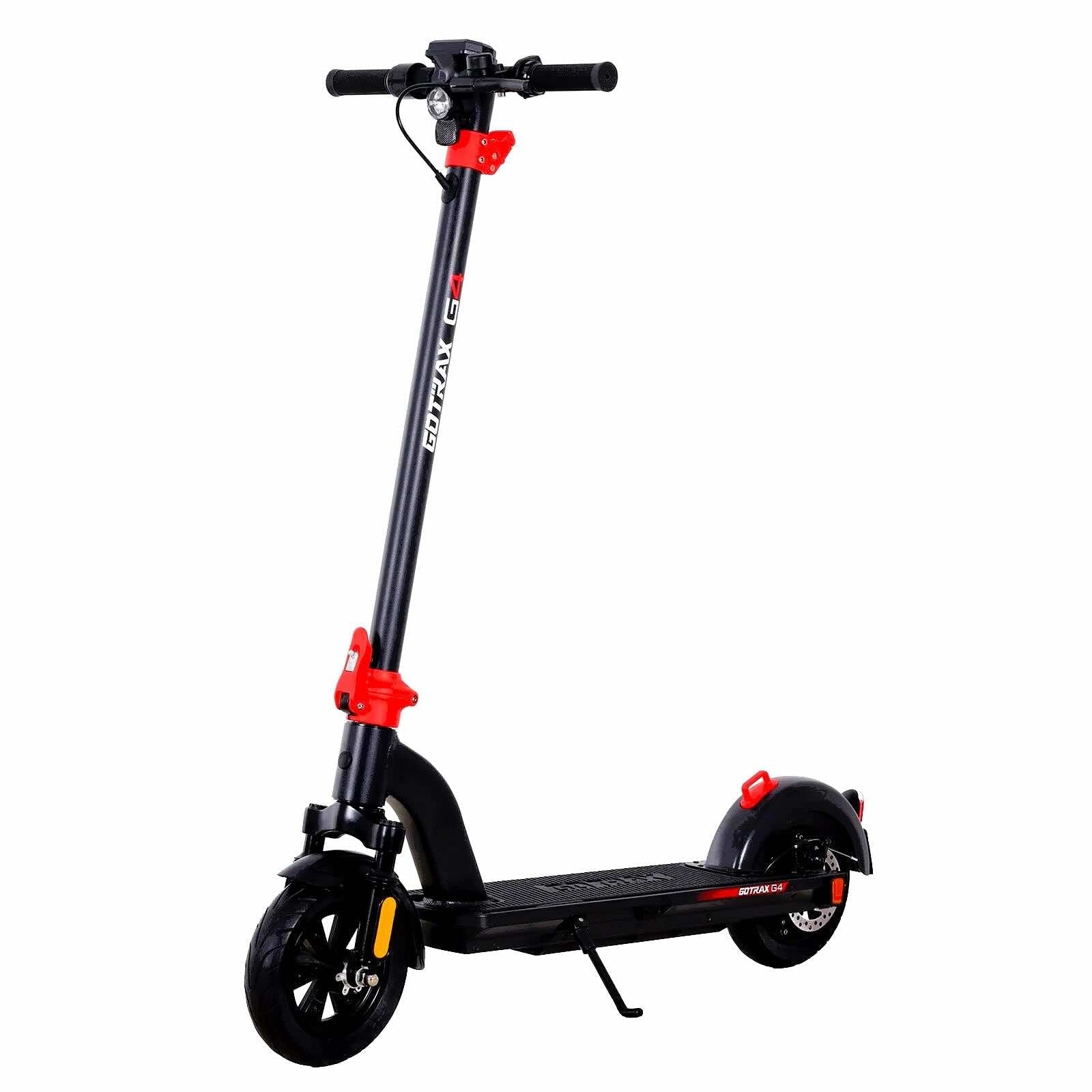
GOTRAX G4 pairs a claimed top speed of 20 mph, a claimed range of 25 miles, a 374 Wh battery. Best suited to commuters comparing specifications directly.
GOTRAX Fusion pairs a claimed top speed of 18 mph, a claimed range of 14 miles, a 209 Wh battery. Best suited to budget-conscious first-time buyers, riders who carry a scooter up stairs or onto transit.
NIU KQi3 Sport pairs a claimed top speed of 17.4 mph, a claimed range of 24.9 miles, a 365 Wh battery. Best suited to commuters comparing specifications directly.
At this price the game is about what a scooter gives up, not what it boasts. Budgets here buy a competent commuter, and the fields most often quietly cut are the ones that decide whether you keep riding it.
Water resistance. Only 7 of 11 models on this page publish an IP rating at all. A missing rating usually means it was never tested — treat it as a wet-weather warning.
Suspension. 3 of 11 here have any suspension. Without it, tyre choice is your only cushioning, so favour pneumatic or tubeless over solid.
Weight. Cheap scooters are not always light — the median here is 37.9 lb. If you climb stairs, this matters more than a few dollars.
The podium: why these three lead
Three models separate themselves at the top of this ranking. Here is what earns each its place, and who each one is really for.
First — GOTRAX G3 MAX (89/100, $395). It leads its rivals on a well-rounded specification with no glaring weakness, with an estimated 20–26 miles of real-world range. For most people reading this page, it is the default choice — move on only if a specific need below points elsewhere.
Second — Hiboy S2 MAX (62/100, $490). It leads its rivals on a well-rounded specification with no glaring weakness, with an estimated 22–28 miles of real-world range. The one to choose if its headline trait matches your priority better than the winner's.
Third — NIU KQi3 Max (62/100, $400). It leads its rivals on a well-rounded specification with no glaring weakness, with an estimated 22–28 miles of real-world range. A strong third option that will suit a particular buyer better than the two above.
The field at a glance
Across the 11 models that qualify, priced around a median of $349, a few stand out on individual specifications even if they do not top the overall score:
Use the full comparison table above to sort every qualifying model on the one specification that decides your purchase — the winner overall is not always the winner for you.
Common mistakes to avoid
Three mistakes account for most disappointed scooter buyers. None require inside knowledge to avoid — only the discipline to read the specification honestly.
Believing the range claim. It is a best-case laboratory figure. Plan around the 55–70% band and you will never be stranded; plan around the claim and eventually you will be.
Ignoring weight until it arrives. On paper 55 lb sounds fine. On the third flight of stairs it does not. Be honest about how the scooter gets from the street to where it lives.
Treating a blank spec as a zero — or as a pass. When a maker omits an IP rating or a top speed, that silence is information. We show it as a dash and so should your judgement.
Understanding the best electric scooters under $500
Buying at the value end of the market is an exercise in knowing what you can live without, because every budget scooter is a set of deliberate compromises rather than a smaller version of a premium one. Understanding where manufacturers cut costs lets you choose a scooter whose compromises miss you entirely.
The savings almost always come from the same places: a smaller battery, no suspension, an unpublished or basic water rating, and simpler brakes. None of those are dealbreakers on their own. A rider on a short, dry, flat commute genuinely does not need a big battery, suspension or IP67 sealing, and paying for them would be waste. The mistake is buying a budget scooter for a use it was never built for — a long wet hilly commute — and blaming the scooter for compromises you chose.
The one place not to economise is safety and certification. A UL2272 listing and dependable brakes cost little and matter enormously, so treat those as non-negotiable even at the bottom of the market, and spend up a tier only when a specific need — range, weather, hills — actually demands it.
Buying questions, answered
Is a cheaper scooter a false economy? Not necessarily — but the savings come from somewhere. At this price the cuts are usually to water resistance, suspension and battery size. If none of those three matter to your commute, a budget model is a sound buy; if all three do, spend up a tier rather than replace it in a year.
How much range do I actually need? Add up your longest realistic round trip, then double it, then match that to the lower end of a model's estimated real-world band. A rider who travels eight miles a day is safe with almost anything here; one who travels twenty needs to read the battery column carefully.
How current are these prices and specs? Specifications are transcribed from manufacturers' official pages and carry a last-updated date. Prices come from our tracker and can change between visits, so the model pages show a running price history to help you judge the timing.