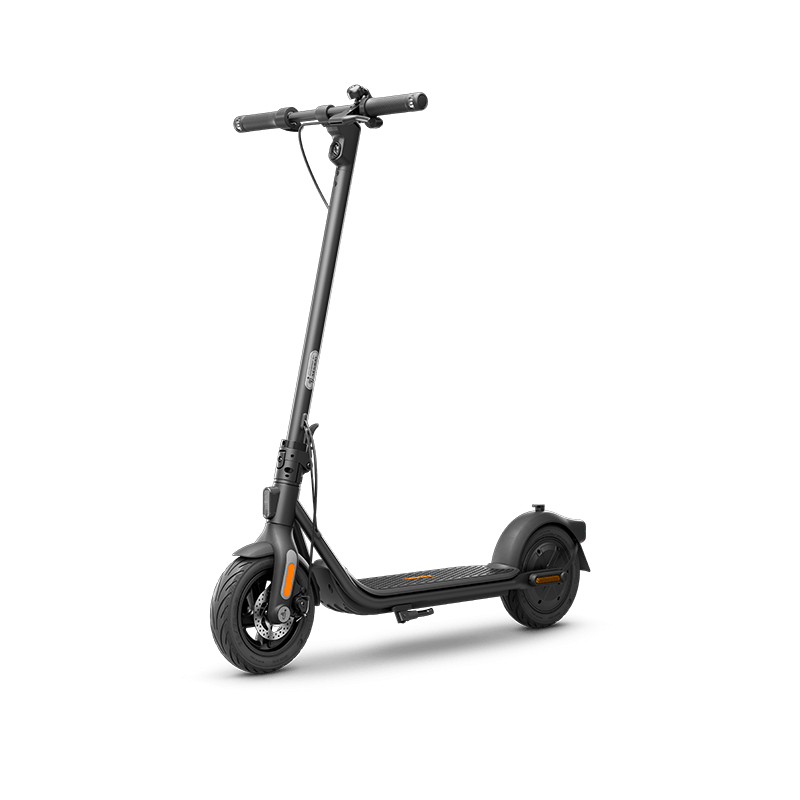
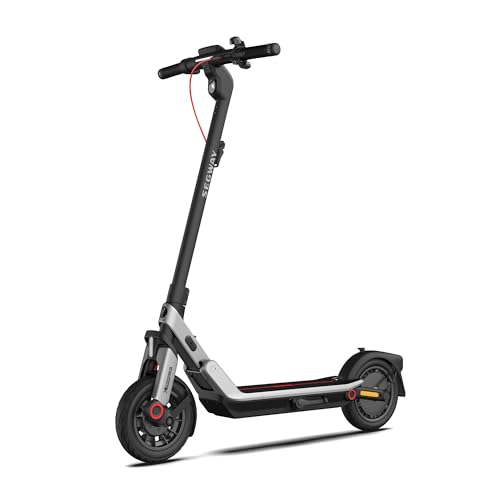
If you carry your scooter — up stairs, onto a bus, into an office — weight is the specification that determines whether you keep using it. This page ranks the lightest models in the database, and the trade-off is consistent and unavoidable: less weight means a smaller battery, which means less range. Most scooters under 35 lb carry batteries below 400 Wh, giving realistic ranges in the 8-20 mile band. Lightweight models also tend to skip suspension and use smaller wheels, both of which make rough pavement less comfortable. What you should not compromise on is the folding mechanism and the brakes. The ranking below weights portability heavily but still accounts for range, build and value so that a very light scooter with no other merit does not top the list.
Scores compare models within their own category. A budget scooter's 90 and a performance scooter's 90 are not directly comparable.
How to read this ranking
This page is ordered by weight, lightest first. That single specification sets the order here; our overall score is shown alongside each model as secondary context but does not drive the ranking on this page. Either way the order is computed from published data, not opinion, and it does not change because a manufacturer bought advertising. One caveat worth stating plainly: our scores compare models within their own category. A budget scooter's 90 and a performance scooter's 90 are not directly comparable.
Before the ranking, one number deserves your attention more than any other. Every range figure a manufacturer publishes is measured under ideal conditions — a light rider, a low steady speed, flat ground, no wind. Real riding lands well below that, so every model on this page shows both the claim and our estimated real-world band of 55–70% of it. If you take one habit from this site, make it halving the range claim before you trust it.
Why the GOTRAX GXL V2 leads
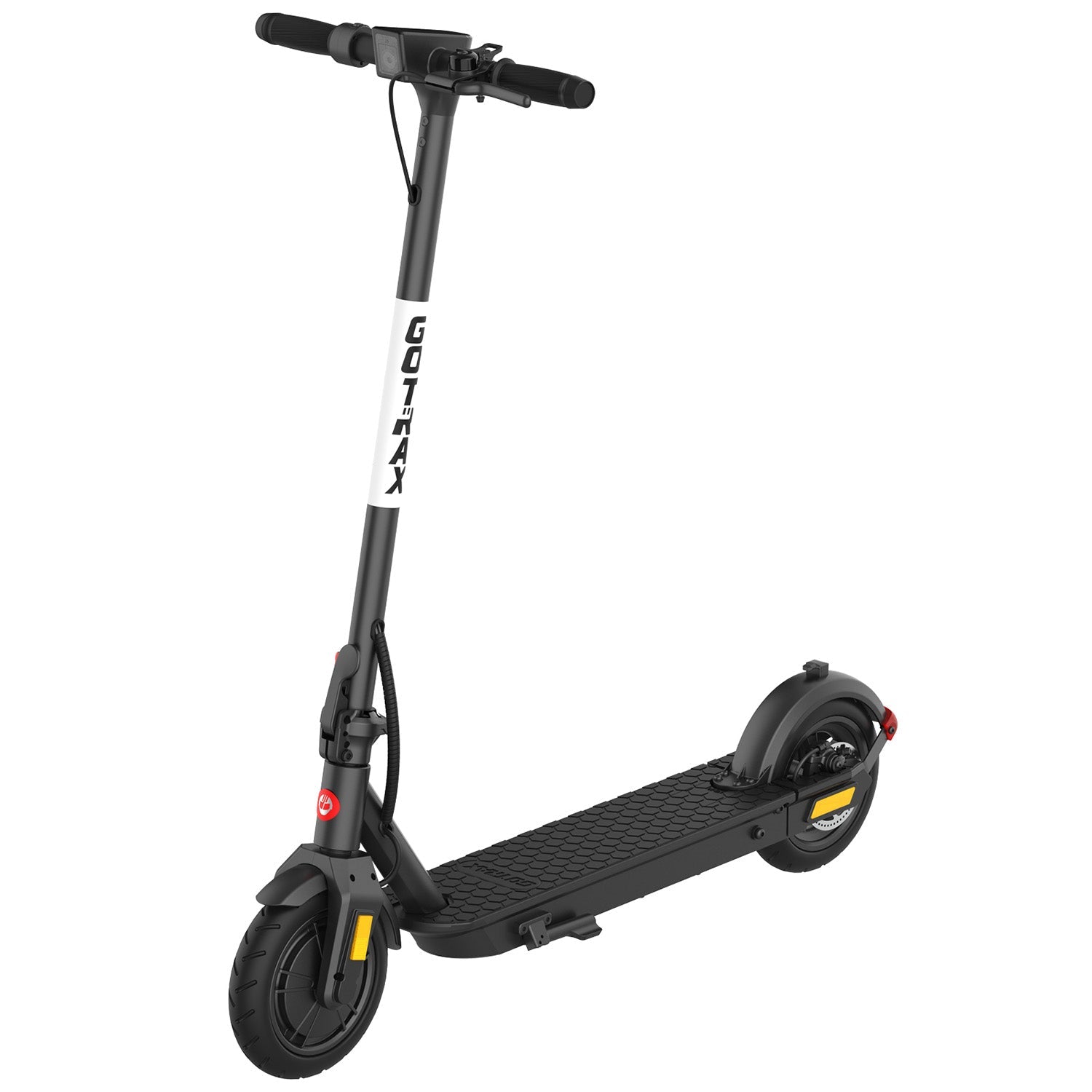
The GOTRAX GXL V2 leads this ranking with 27 lb at $300 (overall score 32/100 within its category). It stands out not by winning any single specification outright but by giving up the least across all of them — an estimated 7–9 miles of real range, 27 lb. That balance is exactly what a scoring system rewards and a spec-sheet headline hides.
Our pick
For most buyers on this page, start with the GOTRAX GXL V2 and only move on if a specific number below — carry weight, top speed, price — pulls you elsewhere.
GOTRAX GXL V2 pairs a claimed top speed of 15.5 mph, a claimed range of 12.5 miles, a 187 Wh battery. Best suited to budget-conscious first-time buyers, riders who carry a scooter up stairs or onto transit.
GOTRAX Fusion pairs a claimed top speed of 18 mph, a claimed range of 14 miles, a 209 Wh battery. Best suited to budget-conscious first-time buyers, riders who carry a scooter up stairs or onto transit.
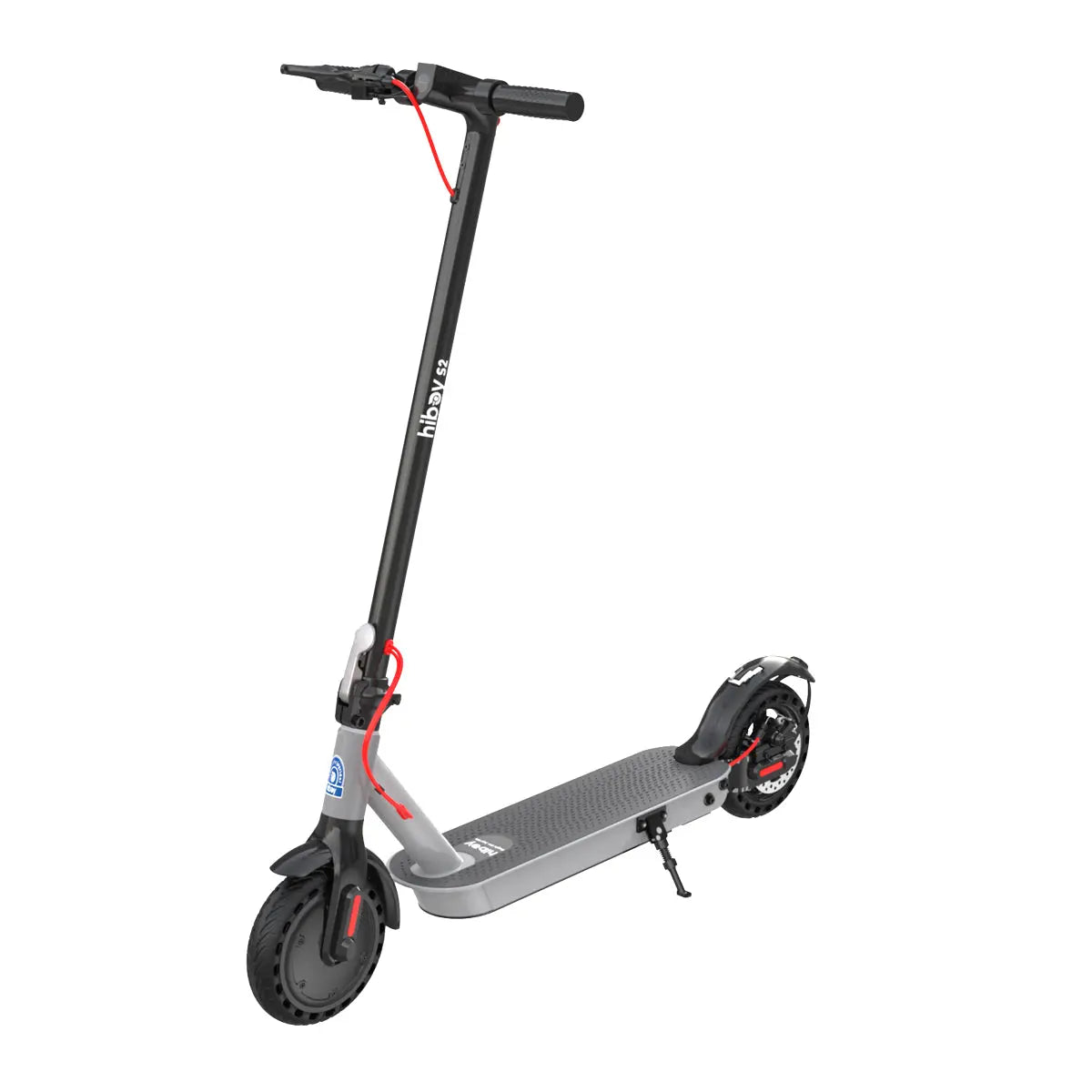
Hiboy S2 Nova pairs a claimed top speed of 19 mph, a claimed range of 20 miles, a 324 Wh battery. Best suited to budget-conscious first-time buyers, riders who carry a scooter up stairs or onto transit.
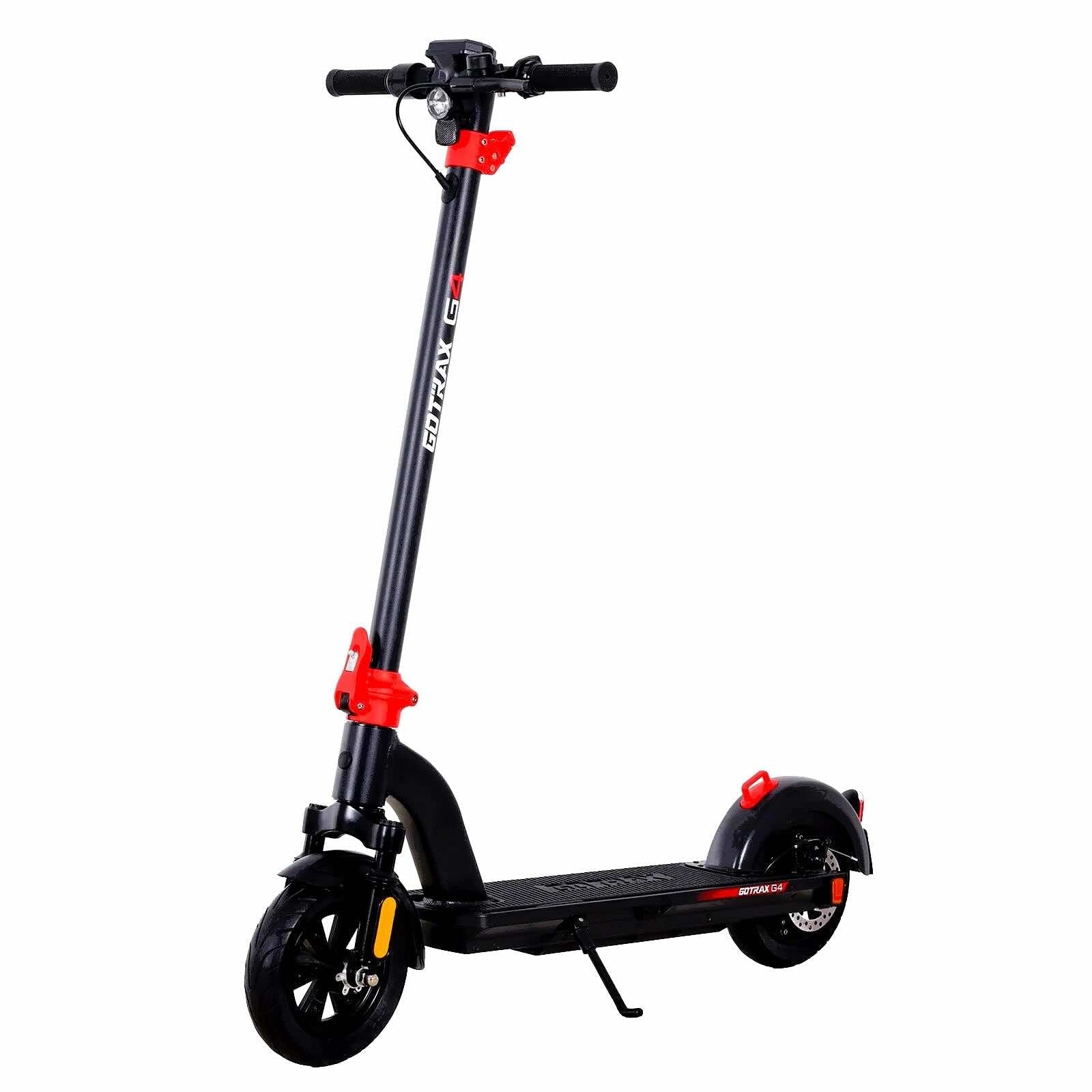
GOTRAX G4 pairs a claimed top speed of 20 mph, a claimed range of 25 miles, a 374 Wh battery. Best suited to commuters comparing specifications directly.
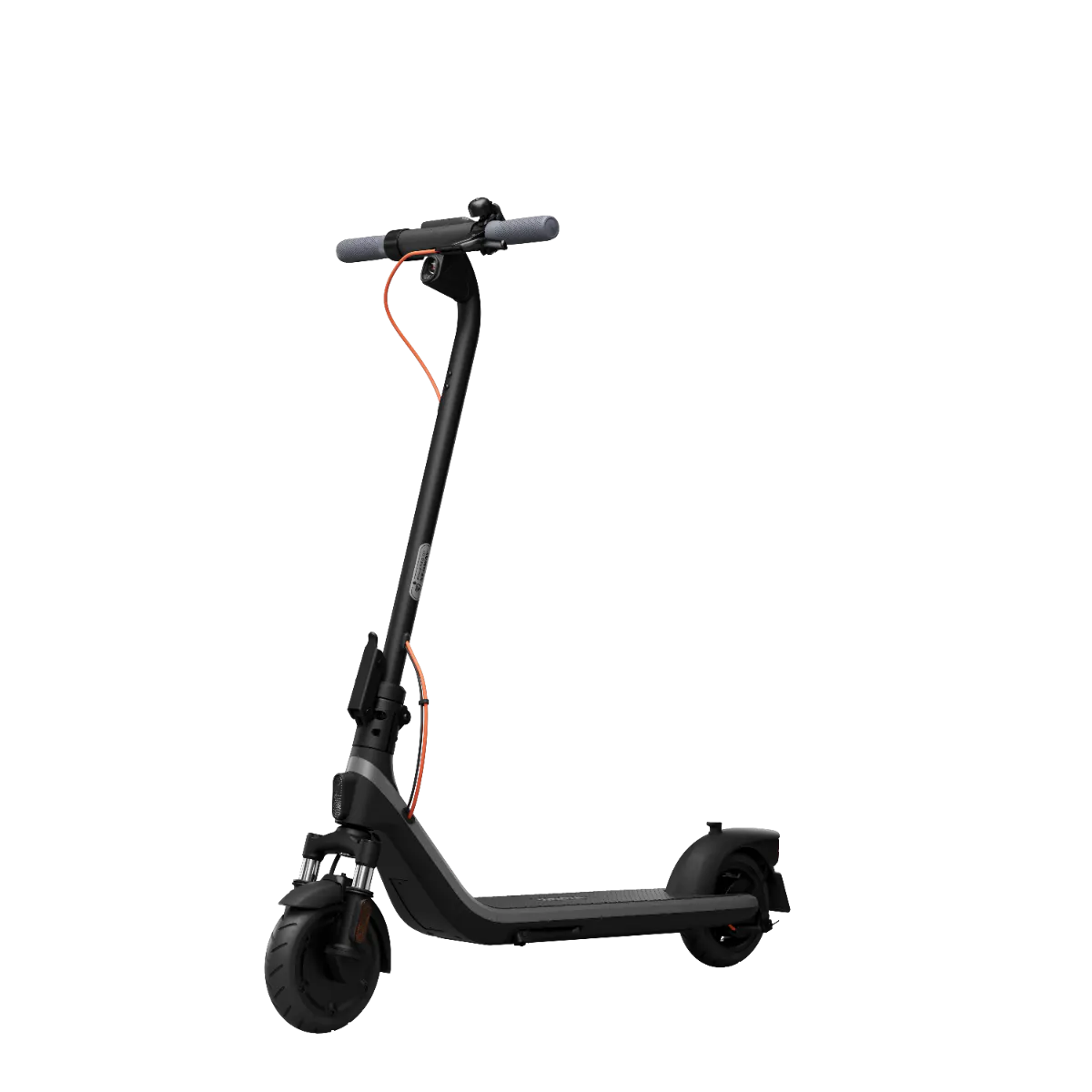
NIU KQi 100F pairs a claimed 17.4 mph top speed, a claimed 18 miles of range, a 243 Wh battery. Best suited to riders who carry a scooter up stairs or onto transit, budget-conscious first-time buyers.
Hiboy S2 MAX pairs a claimed top speed of 19 mph, a claimed range of 40 miles, a 557 Wh battery. Best suited to commuters comparing specifications directly.
Segway e3-pro-electric-scooter pairs a specification sheet with several figures still unpublished. Best suited to commuters comparing specifications directly.
If you carry your scooter, weight is not one factor among many — it is the factor. This ranking favours the lightest models, and the trade-off is fixed and unavoidable: less weight means a smaller battery and less range.
The range tax. Most sub-35 lb scooters carry batteries under 400 Wh, which means realistic ranges in the 8–20 mile band. Plan for it.
Comfort compromises. Light scooters tend to skip suspension and run small wheels, so smooth pavement suits them best.
Do not skimp on the fold and brakes. A light scooter you cannot fold quickly or stop confidently is a false economy.
The podium: why these three lead
Three models separate themselves at the top of this ranking. Here is what earns each its place, and who each one is really for.
First — GOTRAX GXL V2 (32/100, $300). It leads its rivals on a genuinely carriable weight, with an estimated 7–9 miles of real-world range. For most people reading this page, it is the default choice — move on only if a specific need below points elsewhere.
Second — GOTRAX Fusion (36/100, $349). It leads its rivals on a genuinely carriable weight, with an estimated 8–10 miles of real-world range. The one to choose if its headline trait matches your priority better than the winner's.
Third — Hiboy S2 Nova (46/100, $315). It leads its rivals on a genuinely carriable weight, with an estimated 11–14 miles of real-world range. A strong third option that will suit a particular buyer better than the two above.
The field at a glance
Across the 17 models that qualify, priced around a median of $434, a few stand out on individual specifications even if they do not top the overall score:
Use the full comparison table above to sort every qualifying model on the one specification that decides your purchase — the winner overall is not always the winner for you.
Common mistakes to avoid
Three mistakes account for most disappointed scooter buyers. None require inside knowledge to avoid — only the discipline to read the specification honestly.
Believing the range claim. It is a best-case laboratory figure. Plan around the 55–70% band and you will never be stranded; plan around the claim and eventually you will be.
Ignoring weight until it arrives. On paper 55 lb sounds fine. On the third flight of stairs it does not. Be honest about how the scooter gets from the street to where it lives.
Treating a blank spec as a zero — or as a pass. When a maker omits an IP rating or a top speed, that silence is information. We show it as a dash and so should your judgement.
Understanding the best lightweight electric scooters
A lightweight scooter succeeds or fails on a simple test: will you actually carry it? The whole point is portability, so the specifications to weigh are the ones that make daily lifting and folding painless, and the compromises to accept are the ones that follow from a small, light package.
Weight and battery size are locked together. Lithium cells are dense and heavy, so a sub-35 lb scooter almost always carries a battery under 400 Wh, which puts realistic range in the 8 to 20 mile band. That is plenty for a short commute or a last-mile hop from transit, but it is not a scooter for long journeys, and no clever engineering escapes that trade.
Light scooters also tend to run smaller wheels and skip suspension, so they are happiest on smooth surfaces. What you should never compromise on is the folding mechanism and the brakes: a fold that is fiddly or a brake that is vague undermines the entire reason you chose a light scooter in the first place. Prioritise a clean fold, confident stopping and a weight your arm agrees with over a few extra claimed miles.
Buying questions, answered
How light is light enough to carry? For most people, comfortable daily carrying tops out around 35 lb. Between 35 and 50 lb is fine for a few steps but tiring over a long walk. Above 50 lb, plan to roll and fold rather than lift.
What do I give up to go light? Range, almost always. Light scooters carry small batteries, so realistic distances land in the 8–20 mile band. Many also skip suspension, which makes tyre choice and smoother routes more important.
How current are these prices and specs? Specifications are transcribed from manufacturers' official pages and carry a last-updated date. Prices come from our tracker and can change between visits, so the model pages show a running price history to help you judge the timing.